Welcome to the Arkstone AI Partners Blog
Our mission is simple: help small businesses like yours use AI to work smarter, save money, and stay ahead of the curve. Whether you’re brand new to AI or just want more practical ways to use it, you’ll find clear, real-world tips and advice here. We’re all about providing value—so our posts focus on things you can actually use, not just trends or hype.
Below, you’ll find a short description of each blog post and a link to read the full article. Click on any title that catches your interest and dive in! If you have questions, let us know—this blog is here to help your business grow.
Blog post- 09/26/2025- AI promises big results—but only if you avoid the most common pitfalls that trip up even seasoned business leaders. In the rush to automate and boost efficiency, it’s easy to make costly mistakes with AI that slow your progress or lead to disappointing returns.
Curious what these mistakes are and, more importantly, how to sidestep them? This post breaks down the seven most common missteps we see and shows you practical ways to fix them—so you can set your business up for real, lasting AI success.
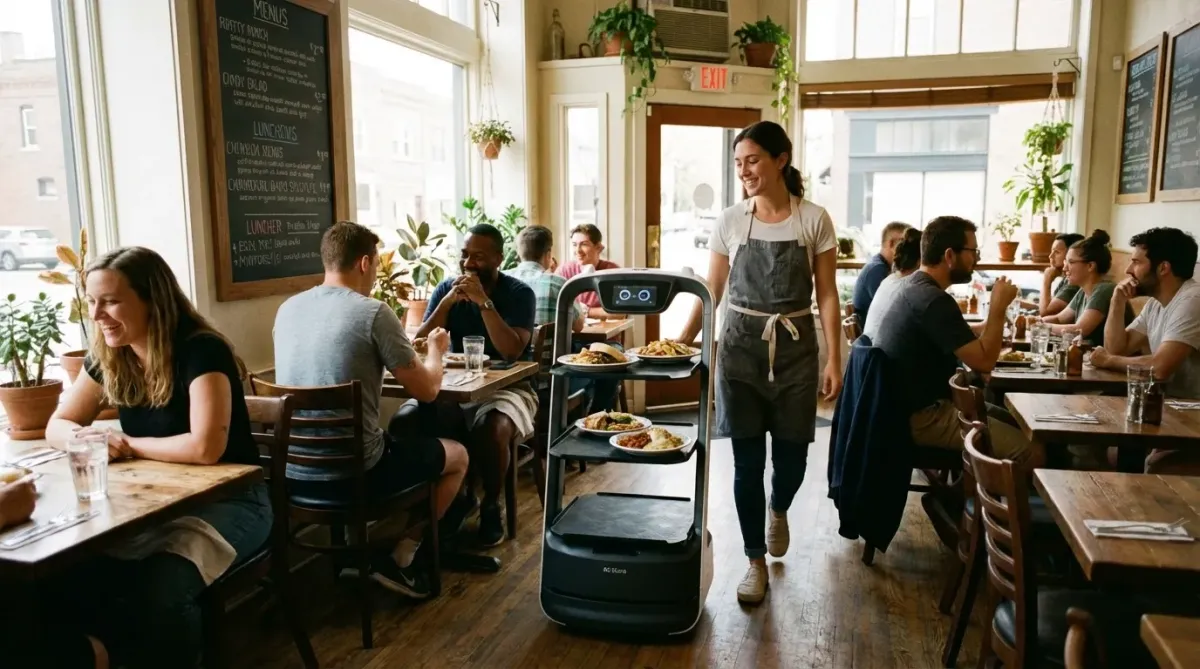
2026 Market Forecast: Service Robotics in Hospitals, Cleaning, and Restaurants
The service robotics industry stands at a pivotal inflection point. With market projections ranging from $53.29 billion to $72.46 billion by 2026, according to leading research firms, we're witnessing unprecedented growth across multiple sectors. For small business owners and decision-makers, understanding these trends isn't just about staying informed: it's about positioning your organization to thrive in an increasingly automated landscape.
Three sectors are driving remarkable transformation: hospitals, cleaning services, and restaurants. Each presents unique opportunities and challenges that forward-thinking businesses must navigate strategically.
Hospital Robotics: Revolutionizing Healthcare Operations
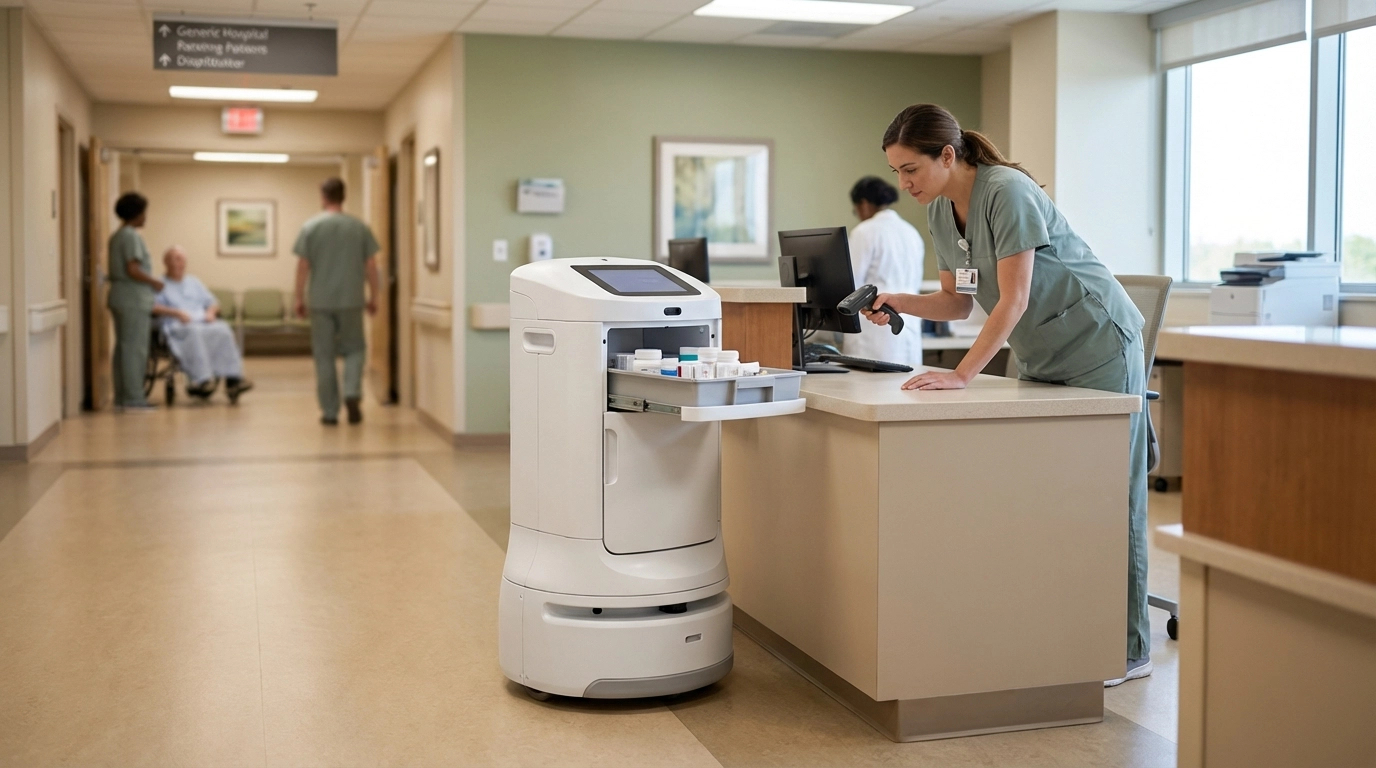
Healthcare robotics represents one of the fastest-growing segments within the service robotics market. Hospitals are rapidly adopting robotic solutions to address critical challenges including labor shortages, infection control, and operational efficiency.
Current Market Dynamics:
The professional service robotics segment, which encompasses medical applications, currently captures over 52% of the total market share. Hospitals are investing heavily in disinfection robots, medication delivery systems, and surgical assistance platforms to enhance patient care while reducing operational costs.
Key Applications Driving Growth:
UV-C disinfection robots that can sanitize patient rooms in 10-15 minutes versus traditional manual cleaning taking 45+ minutes
Autonomous medication delivery systems that transport prescriptions between pharmacy and patient floors
Telepresence robots enabling remote consultations and reducing exposure risks
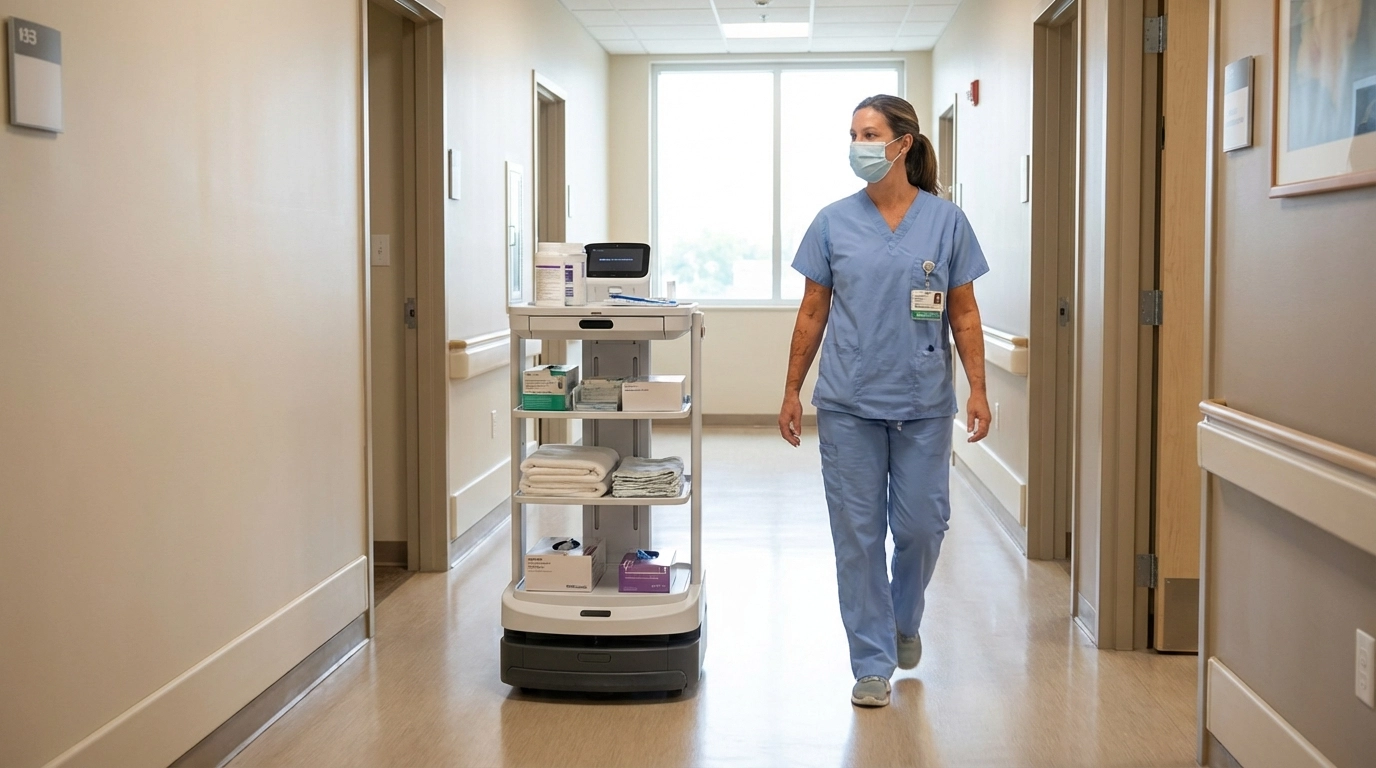
Logistics robots managing supply chain operations within hospital facilities
Major healthcare systems report 20-30% efficiency improvements when implementing comprehensive robotic solutions. These gains translate directly to better patient outcomes and reduced operational expenses: critical factors for both large health systems and smaller medical practices.
Cleaning Services: Automation Meets Hygiene Standards
The commercial cleaning industry is experiencing a fundamental shift toward robotic automation, driven by labor shortages, rising wage costs, and heightened hygiene expectations post-pandemic.
Market Transformation:
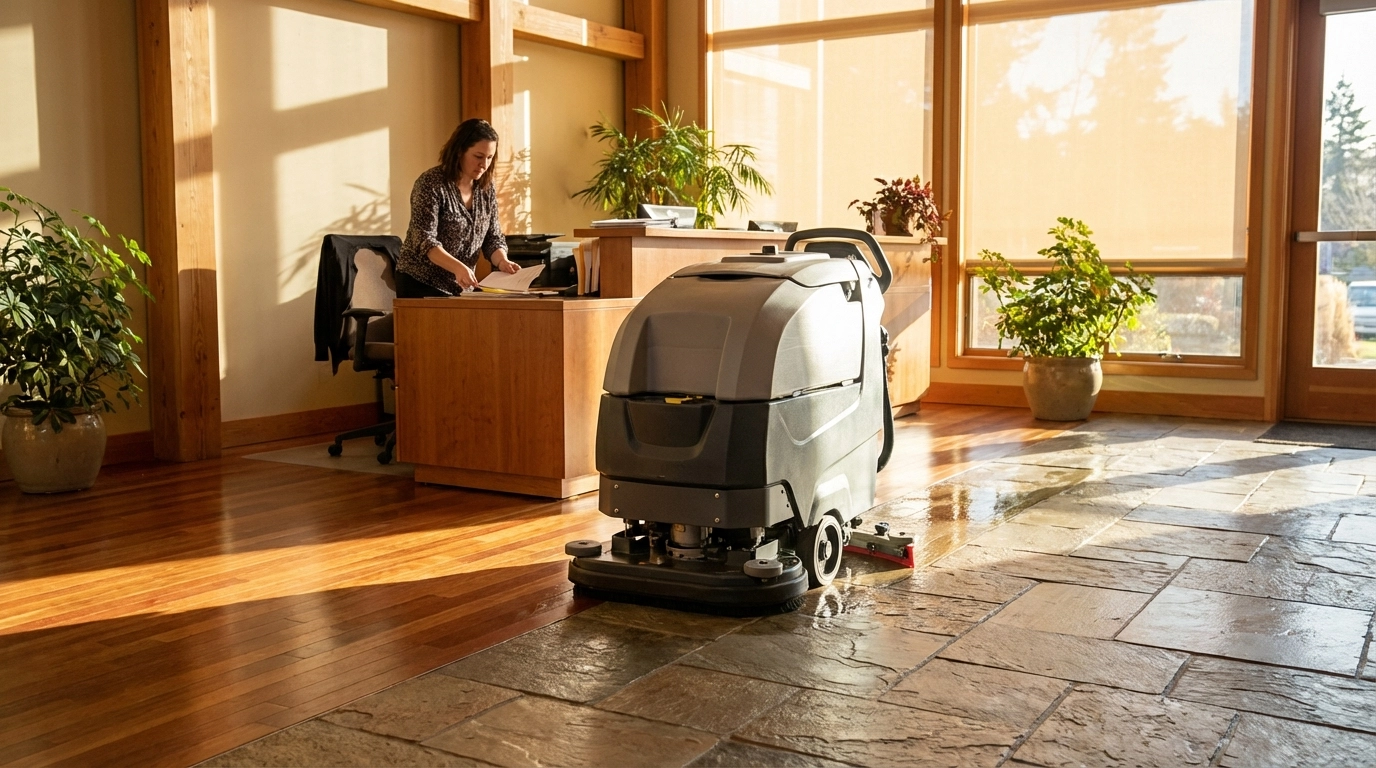
Professional cleaning robots are projected to capture significant market share as businesses recognize the consistent quality and cost-effectiveness of automated solutions. Unlike human staff, robots provide 24/7 availability and eliminate variability in cleaning standards.
Breakthrough Technologies:
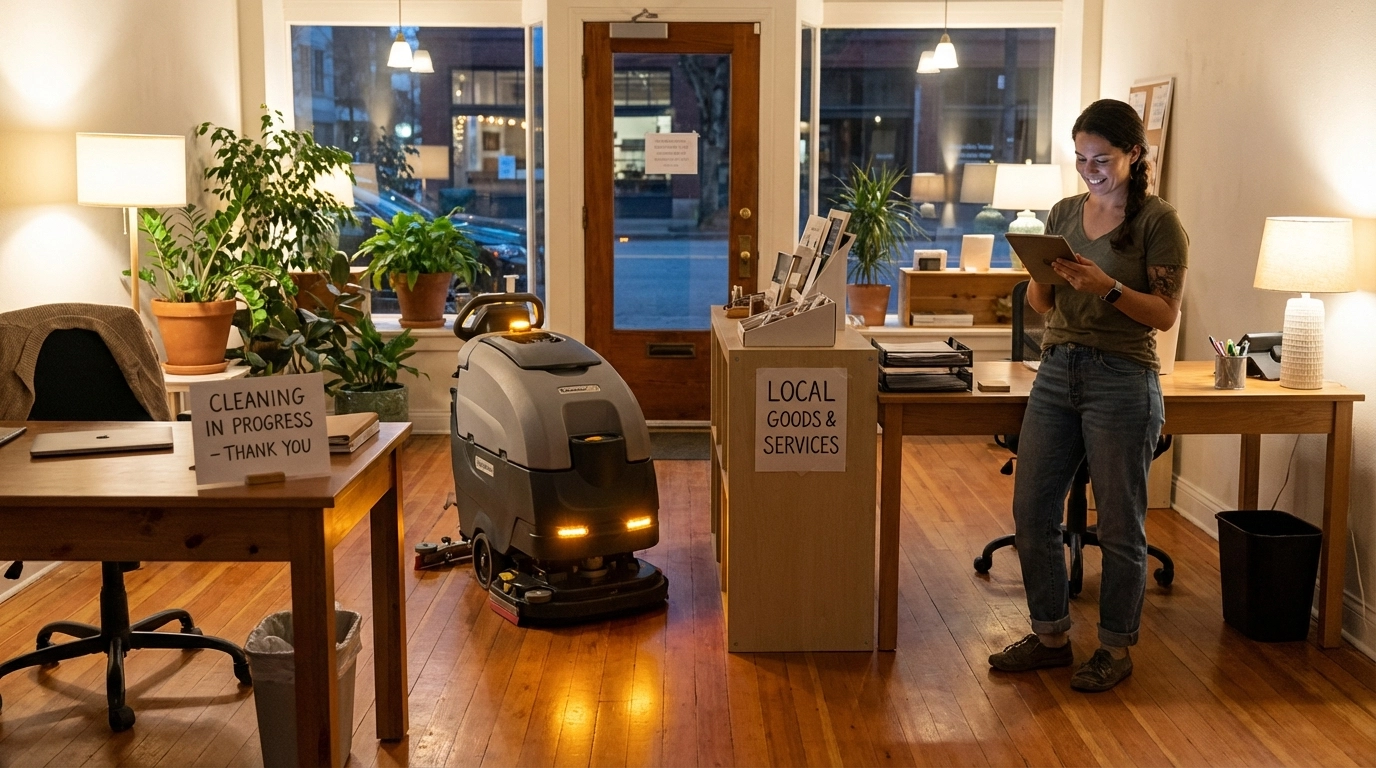
Floor-cleaning robots capable of navigating complex office layouts autonomously
Window-cleaning drones for high-rise commercial buildings
Carpet cleaning systems with advanced soil detection and targeted treatment
Restroom sanitization robots ensuring consistent hygiene protocols
Small and medium-sized cleaning companies are particularly well-positioned to leverage these technologies. A single robotic unit can handle the workload of 2-3 human cleaners while operating during off-hours, dramatically improving service capacity without proportional labor cost increases.
ROI Considerations:
Forward-thinking cleaning service providers report payback periods of 12-18 months for robotic investments, with subsequent years delivering pure profit enhancement. The key lies in strategic deployment and client education about the superior consistency robots provide.
Restaurant Industry: Serving Efficiency and Innovation
Restaurant robotics is evolving from novelty to necessity, addressing persistent challenges in food service including labor shortages, food safety, and operational consistency.

Emerging Applications:
The restaurant sector is embracing robotics across multiple operational areas, creating opportunities for establishments of all sizes to enhance efficiency and customer experience.
Kitchen Automation:
Food preparation robots capable of consistent chopping, mixing, and basic cooking tasks
Automated cooking systems for high-volume items like French fries and burgers
Dishwashing robots that sanitize and organize kitchenware continuously
Inventory management systems tracking ingredient levels and expiration dates
Front-of-House Innovation:
Delivery robots transporting food from kitchen to table
Greeting and seating robots managing host functions during peak hours
Payment processing robots handling transactions and receipts
Cleaning robots maintaining dining area cleanliness between services
Strategic Advantages:
Restaurant owners implementing robotic solutions report 15-25% labor cost reductions while simultaneously improving food quality consistency. These improvements directly impact customer satisfaction and operational profitability.
Key Market Trends Shaping 2026
Several critical trends are accelerating robotics adoption across all three sectors, creating both opportunities and competitive pressures for businesses.
1. Labor Market Pressures
Persistent workforce shortages are driving businesses to view robotics as essential rather than optional. Companies that embrace automation gain significant competitive advantages in reliability and cost structure.
2. AI Integration
Advanced artificial intelligence capabilities are making robots more adaptable and effective. Machine learning algorithms enable robots to improve performance over time, delivering increasing value to their operators.
3. Cost Reduction
Robotic system costs continue declining while capabilities expand. This trend makes automation accessible to smaller businesses that previously couldn't justify the investment.
4. Safety and Compliance
Heightened safety standards and regulatory requirements favor robotic solutions that provide consistent, documented performance across all operational areas.
Notable Companies and Market Players
The competitive landscape includes both established technology leaders and innovative startups targeting specific industry needs:
Healthcare Robotics Leaders:
Xenex (UV disinfection)
TUG (hospital logistics)
Moxi by Diligent Robotics (nursing assistance)
Cleaning Industry Innovators:
Brain Corp (commercial floor cleaning)
Avidbots (autonomous cleaning platforms)
SoftBank Robotics (facility management)
Restaurant Technology Providers:
Miso Robotics (kitchen automation)
Bear Robotics (food service delivery)
Richtech Robotics (customer service applications)
Strategic Guidance for Small Business Leaders
As robotics adoption accelerates, small businesses must position themselves strategically to remain competitive while managing implementation risks effectively.
Immediate Action Items:
Assess Current Pain Points: Identify specific operational challenges that robotic solutions could address. Focus on repetitive tasks, labor-intensive processes, and areas requiring consistent quality standards.
Evaluate ROI Potential: Calculate potential cost savings from reduced labor expenses, improved efficiency, and enhanced service quality. Consider both direct financial benefits and competitive positioning advantages.
Start Small and Scale: Begin with pilot programs targeting specific use cases rather than comprehensive system overhauls. This approach minimizes risk while building internal expertise.
Partner Strategically: Collaborate with technology providers offering comprehensive support, training, and maintenance services. The right partnership can dramatically accelerate successful implementation.
Prepare Your Team: Invest in staff training and change management to ensure smooth technology adoption. Employee buy-in is crucial for maximizing robotic system benefits.
Looking Ahead: Positioning for Success
The 2026 service robotics market represents more than technological advancement: it's a fundamental shift in how businesses operate and compete. Organizations that embrace this transformation strategically will gain sustainable competitive advantages, while those that delay risk falling behind market leaders.
Success requires balancing innovation with practical implementation, ensuring that robotic investments deliver measurable returns while enhancing rather than replacing human capabilities. The businesses thriving in 2026 will be those that view robotics as tools for amplifying their teams' effectiveness and delivering superior customer value.
Ready to explore how service robotics could transform your business operations? Our team specializes in helping small and medium-sized businesses navigate technology adoption strategically. Schedule a consultation to discuss your specific needs and develop a customized robotics implementation roadmap that drives measurable results for your organization.