AI for Social Good: How Technology Is Empowering Kindness and Community
I'll be honest with you: I've been spending way too much time scrolling through social media lately. But it's not the usual rabbit hole of cat videos or political debates that's been keeping me glued to my screen. It's something much more powerful: videos of everyday people doing extraordinary acts of kindness.
You know the ones I'm talking about. A stranger buying groceries for a family in need. Someone handing out warm meals to people experiencing homelessness. A community rallying together to help a neighbor facing medical bills. These moments remind us that behind all our technology, all our business strategies, and all our AI consultations, there's something fundamentally human that drives everything we do: our capacity to care for one another.
As someone who spends my days helping businesses implement AI solutions, I've been thinking a lot about how this incredible technology we're all so excited about can do more than just boost productivity or cut costs. What if we used AI to amplify the very best of humanity? What if technology became our partner in creating a more compassionate world?
The Human Heart Behind the Algorithm
Here's what struck me most about those social media videos: they're not just about the act of giving. They're about connection, dignity, and seeing people as individuals with stories, dreams, and worth. The most powerful AI applications for social good aren't replacing human compassion: they're amplifying it, organizing it, and making it more effective.
Take what's happening with homelessness in cities across America. Traditional approaches often struggle because they can't match resources with real-time needs or track the complex factors that lead someone to lose housing. But AI is changing that equation in remarkable ways.
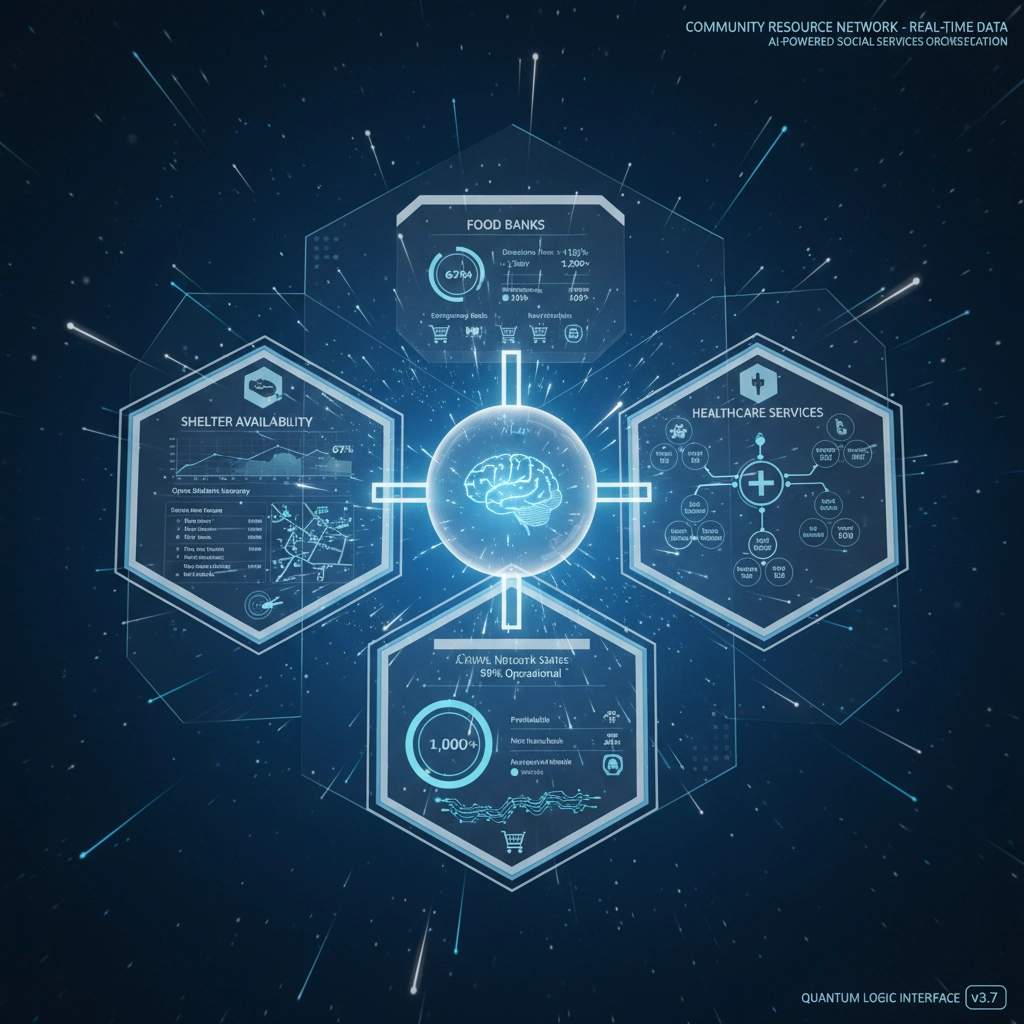
Organizations are now using AI-powered platforms to connect people experiencing homelessness with available shelter beds, mental health services, job training programs, and medical care. Instead of someone spending hours walking from office to office only to find services are full or unavailable, AI systems can instantly match individuals with the specific help they need most.
The Golden Family Foundation in Los Angeles uses machine learning to predict which individuals are at highest risk of chronic homelessness, allowing case workers to intervene early with targeted support. It's not cold, calculating technology: it's technology with a heart, designed to catch people before they fall through the cracks.
Technology That Sees the Whole Person
What moves me most about AI for social good is how it's helping us see patterns and connections that pure human observation might miss. A person seeking help isn't just someone who needs housing: they might also need job training, healthcare, mental health support, or help reconnecting with family. AI systems can map these interconnected needs and coordinate comprehensive care.
Crisis Text Line processes over 4,000 conversations daily using AI to analyze text messages and identify people in crisis who need immediate intervention. The AI doesn't replace human counselors: it helps them respond faster and more effectively to save lives. Every message flagged by AI represents someone's child, parent, sibling, or friend getting help exactly when they need it most.
In rural communities where healthcare resources are scarce, AI-powered diagnostic tools are bringing world-class medical expertise to people who might otherwise go without care. These aren't faceless algorithms: they're bridges connecting isolated patients with lifesaving treatments.
Small Businesses as Forces for Good
Here's where this gets personal for those of us running small businesses. We're not just economic engines: we're community anchors. And AI gives us unprecedented power to extend our impact beyond our bottom line.
Local restaurants are using AI-powered apps to track food waste and automatically notify nearby shelters and food banks when surplus meals are available. Instead of throwing away perfectly good food, they're feeding families in need while reducing waste.
Small healthcare practices are implementing AI chatbots that provide 24/7 mental health support and crisis intervention resources in multiple languages, serving immigrant communities that might otherwise lack access to mental health care.
Retail businesses are partnering with AI platforms that identify customers who might benefit from financial counseling or assistance programs, connecting them with resources while maintaining dignity and privacy.
The Ripple Effect of Compassionate Technology

What's beautiful about AI for social good is how it creates ripple effects. When we help one person find stable housing, we're not just changing their life: we're impacting their children's education, their family's health, and their community's stability.
AI-driven educational platforms are providing personalized tutoring to students in underserved communities, helping break cycles of poverty through learning. These systems adapt to each child's unique needs, offering the kind of individualized attention that large, underfunded schools often can't provide.
Disaster response systems powered by AI analyze social media posts, emergency calls, and satellite imagery to coordinate rescue efforts and distribute aid more effectively. During Hurricane Harvey, AI systems helped first responders locate stranded families and direct resources where they were needed most.
Building AI with Intention and Heart
The key to meaningful AI for social good isn't just the technology: it's the intention behind it. The most successful programs involve the communities they serve in the design process. People experiencing homelessness help build housing assistance platforms. Students in underserved schools help design educational AI tools. Community members become partners, not just beneficiaries.
Microsoft's AI for Good initiative has invested over $165 million in projects that address humanitarian challenges. But what makes these programs special isn't the funding: it's the collaborative approach that puts affected communities at the center of solution design.
This approach recognizes that AI is most powerful when it serves human dignity, not when it replaces human judgment. The algorithm might identify patterns and make connections, but real people make the decisions about care, support, and intervention.
Your Business Can Make a Difference Too
Whether you run a restaurant, a retail shop, a service business, or a consulting firm like ours, there are ways to leverage AI for good in your community. Start small:
Partner with local nonprofits to donate surplus products or services, using AI to optimize timing and distribution
Implement AI tools that help you identify customers who might benefit from community resources or assistance programs
Use AI-powered platforms to track and measure your social impact, helping you understand where your efforts make the most difference
Join or create community initiatives that use technology to address local challenges like food insecurity, elderly isolation, or educational gaps
The Future of Compassionate Technology
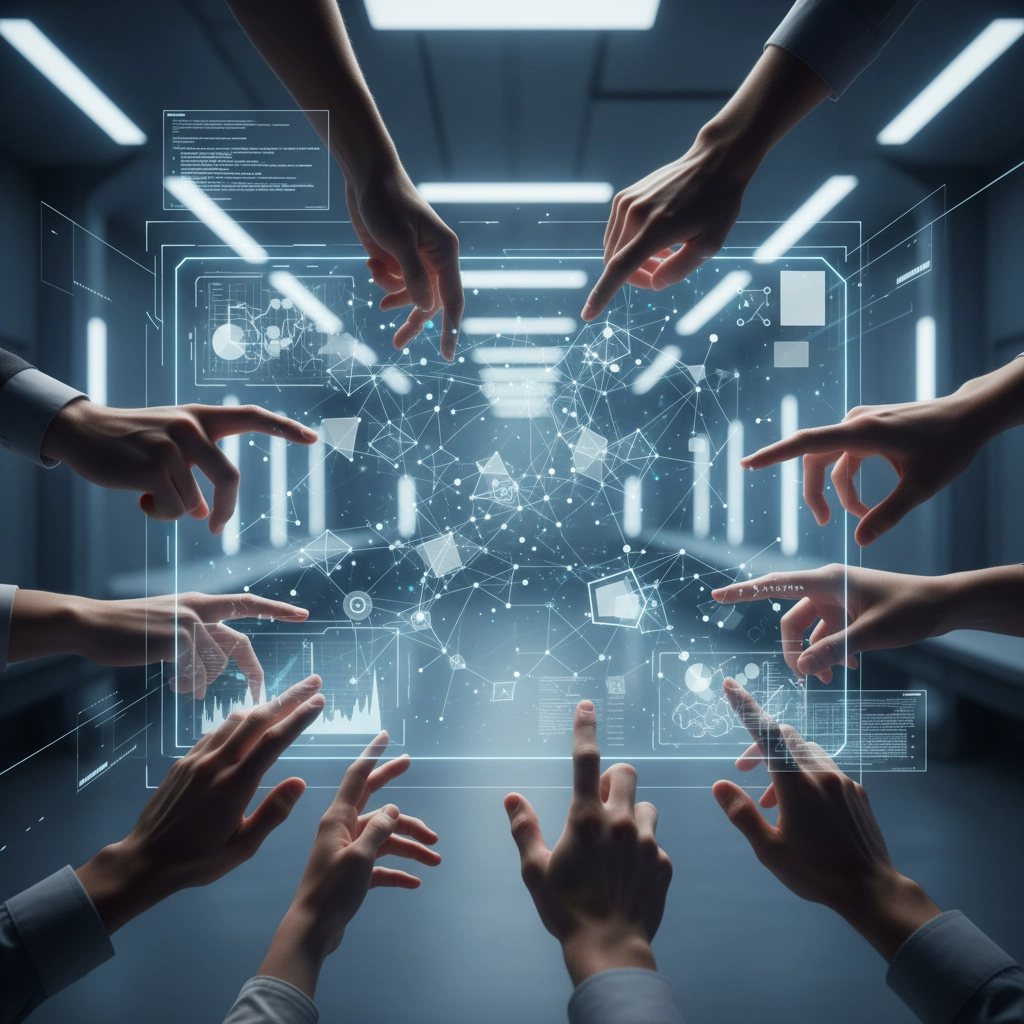
As I watch those videos of people helping strangers, I'm reminded that technology is only as good as the human intentions that guide it. AI for social good isn't about replacing the warm meal handed to someone in need or the encouraging word shared with someone facing difficult times. It's about making sure those acts of kindness reach more people, happen more efficiently, and create lasting change.
The small businesses and organizations that thrive in the coming decades will be those that recognize AI's potential to amplify human compassion, not replace it. They'll use technology to build stronger communities, support vulnerable populations, and create opportunities for people who need them most.
Every algorithm we design, every platform we build, and every AI system we implement is a choice about what kind of world we want to create. When we choose compassion, when we design with dignity in mind, and when we use technology to lift others up, we're not just building better businesses: we're building a better future for all of us.
Those social media videos that moved me so deeply? They show us something important: the most powerful force in the world isn't artificial intelligence: it's human intelligence guided by love and expressed through action. AI just helps us do it better, faster, and at scale.
Ready to explore how your business can use AI for social impact? Let's discuss how technology can amplify your company's positive influence in your community. Schedule a conversation and let's build something meaningful together.